


How to Remove Mildew from Boat Seats: Complete Cleaning Guide

Mildew on boat seats is one of those problems that seems to appear overnight: tiny black spots, a musty odor, and that “uh oh” feeling when you pull the cover off for the weekend. It’s not just cosmetic—if mildew is allowed to sit, it can stain marine vinyl, weaken stitching over time, and (in some cases) seep into seams where it becomes harder to remove.
The good news is that most mildew on marine vinyl seats can be removed at home with the right approach. The key is to start gently, work methodically, and—most importantly—dry everything completely so mildew doesn’t return.
Below you’ll find a step-by-step process you can follow, plus prevention tips to keep your seats looking (and smelling) clean all season.
Why Boat Seat Mildew Happens
Before you grab a cleaner, it helps to understand what you’re fighting. Mildew is a fungus that thrives in warm, damp, low-airflow environments—which describes many boats during storage, after rain, or under a tight cover.
Moisture is the big trigger, but mildew usually needs a little “food” to really take off. That can include sunscreen, body oils, spilled drinks, fish residue, or even airborne dirt that settles into textured vinyl.
Common Causes of Mildew on Boat Seats
Most mildew outbreaks come from a combination of:
- Moisture accumulation (rain, dew, humidity, spray)
- Poor ventilation under boat covers or in storage
- Organic residue (sunscreen, oils, food, grime)
- Infrequent cleaning that lets spores settle and grow
- Humid storage conditions (coastal areas, lakeside storage, indoor storage without airflow)
If your seats are constantly damp under a cover, even the best materials will struggle—so mildew removal and mildew prevention should be treated as a paired process.
Quick Checklist Before You Start Cleaning
A little setup makes the job easier and prevents you from spreading mildew around.
Do This First
- Move the boat into a well-ventilated area (open air if possible)
- Remove loose debris with a dry microfiber towel
- If cushions are removable, take them out and place on a clean surface
- Test any cleaner in a hidden spot first (especially on colored vinyl)
Safety Basics
Because mildew can irritate skin and lungs, it’s smart to use:
- Rubber gloves
- Eye protection
- Mask (especially if you’re working inside a covered area)
- Old clothes
Start Here: The “Least Aggressive First” Cleaning Approach
A common mistake is jumping straight to harsh chemicals. That can dry out vinyl, damage the protective topcoat, or cause discoloration—especially with repeated use.
A better method is to start with gentle options and step up only if needed:
- Vinegar solution (good general cleaner)
- Baking soda paste (better for staining)
- Marine vinyl mildew cleaners (targeted strength)
- Baking soda paste (better for staining)
- Diluted bleach (last resort only)
Method 1: DIY White Vinegar Solution
Vinegar is a great first step because it’s mild, easy to use, and typically safe for marine vinyl when properly wiped and rinsed.
What You’ll Need
- White distilled vinegar
- Warm water
- Spray bottle
- Soft bristle brush or sponge
- Microfiber cloths
Step-by-Step
- Mix solution: 1:1 vinegar and warm water in a spray bottle.
- Spray affected areas: Lightly saturate the mildewed spots.
- Let it dwell: 15–20 minutes (don’t let it dry on the surface).
- Gently scrub: Use a soft brush in circular motions—no abrasive pads.
- Rinse/wipe: Use clean water on a cloth to remove residue.
- Dry completely: Towel dry, then air dry with airflow.
If you still see spotting, repeat once more before moving to a stronger method.
Method 2: Baking Soda Paste for Stains
If the mildew is gone but you’re left with dark staining, baking soda can help lift discoloration with mild abrasion.
What You’ll Need
- Baking soda
- Water
- Small bowl
- Soft cloth or sponge
Step-by-Step
- Make paste: 3 tbsp baking soda + 1 tbsp water.
- Apply to stained areas: Spread a thin layer over the spots.
- Let it sit: 10–15 minutes.
- Gently scrub: Use a damp cloth with light pressure.
- Rinse and dry: Wipe with clean water and dry thoroughly.
This method is especially helpful on textured vinyl where staining can “cling” to the surface pattern.
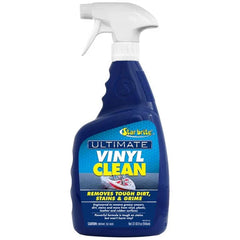
Method 3: Commercial Marine Vinyl Mildew Cleaners
When DIY methods aren’t cutting it—or mildew is widespread—use a cleaner designed specifically for marine vinyl and mildew staining.The benefit of marine-specific cleaners is that they’re formulated to clean without stripping the vinyl’s protective coating (as easily as household chemicals can).
How to Use Commercial Cleaners Safely
- Read label directions (dwell time matters).
- Test on a hidden area first.
- Apply as directed.
- Use only soft brushes/cloths.
- Rinse thoroughly to remove residue.
- Dry completely before covering the boat.
Tip: After using a stronger cleaner, it’s a good idea to follow up with a vinyl protectant to restore conditioning and add a barrier.
Method 4: Diluted Bleach (Last Resort Only)
Bleach will kill mildew, but it can also discolor or weaken vinyl over time if used improperly. Treat this as a “only if nothing else worked” option—especially on colored seats.
Safe Dilution and Use
- Mix 1 tablespoon bleach per 1 gallon of water.
- Apply with a sponge to affected spots only.
- Do not let it sit more than 5 minutes.
- Rinse immediately and thoroughly.
- Dry completely.
If you use bleach, follow with protectant once dry.
What NOT to Use on Marine Vinyl Seats
Some products clean well but damage vinyl over time (drying, cracking, dulling, or stripping the finish).
Avoid:
- Acetone / nail polish remover
- Undiluted bleach
- Steel wool or abrasive pads
- Magic erasers (too abrasive for topcoat)
- Ammonia-based cleaners
- Oil-based cleaners that leave residue
How to Prevent Mildew from Coming Back
Removing mildew is only half the job. Prevention is where you win long-term—because mildew thrives on trapped moisture.
After-Use Habits That Help
After each trip:
- Wipe seats down (especially sunscreen and spills)
- Dry surfaces before covering
- Open compartments to release trapped humidity
Improve Ventilation Under Your Cover
Even small airflow improvements make a big difference:
- Use a breathable boat cover (not airtight)
- Leave a small vent gap if safe
- Consider vents/fans for long-term storage
- Avoid “wet cover + warm sun” conditions that create a mildew greenhouse
Add a Protective Barrier
Once seats are clean and fully dry:
- Apply a marine vinyl protectant regularly
- Reapply every 4–6 weeks during heavy sun season
Internal link: If you’re shopping materials or replacing upholstery, browse Marine Vinyl Fabric for UV- and mildew-resistant options.
When Cleaning Isn’t Enough
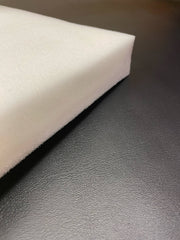
Sometimes mildew odor or staining persists because it has penetrated into seams or the foam underneath.
Consider replacement (or foam work) if:
- Vinyl is cracked, brittle, or peeling
- Odor remains after multiple cleanings and full drying
- The foam feels damp, heavy, or smells musty
- Seams show black spotting that returns quickly
If you're reupholstering, foam-backed and mildew-resistant materials can help reduce future issues—especially in humid storage conditions.
Final Thoughts
Mildew on boat seats is frustrating, but it’s usually fixable—especially if you tackle it early. Start with gentle cleaning methods, step up only as needed, and focus on drying and ventilation so it doesn’t return.
Need replacement material or planning an upholstery refresh? Explore our Marine Vinyl Fabric collection and check out How to Clean Marine Vinyl and Protect Marine Vinyl to keep your seats looking great season after season.



Leave a comment
This site is protected by hCaptcha and the hCaptcha Privacy Policy and Terms of Service apply.