


Use case · RV & Camper Skirting
Keep your rig warm with vinyl skirting that lasts
Block winter drafts, protect your pipes, and cut heating costs. Our marine-grade vinyl is built for the elements - UV-stable, cold-crack resistance, and easy to install yourself.
✓ Cold-crack rated to -20°F ✓ Cut to your length ✓ Ships in 24 hours
Recommended for this project
Everything you need to skirt your RV

Why skirt your RV?
A barrier between your rig and the cold.
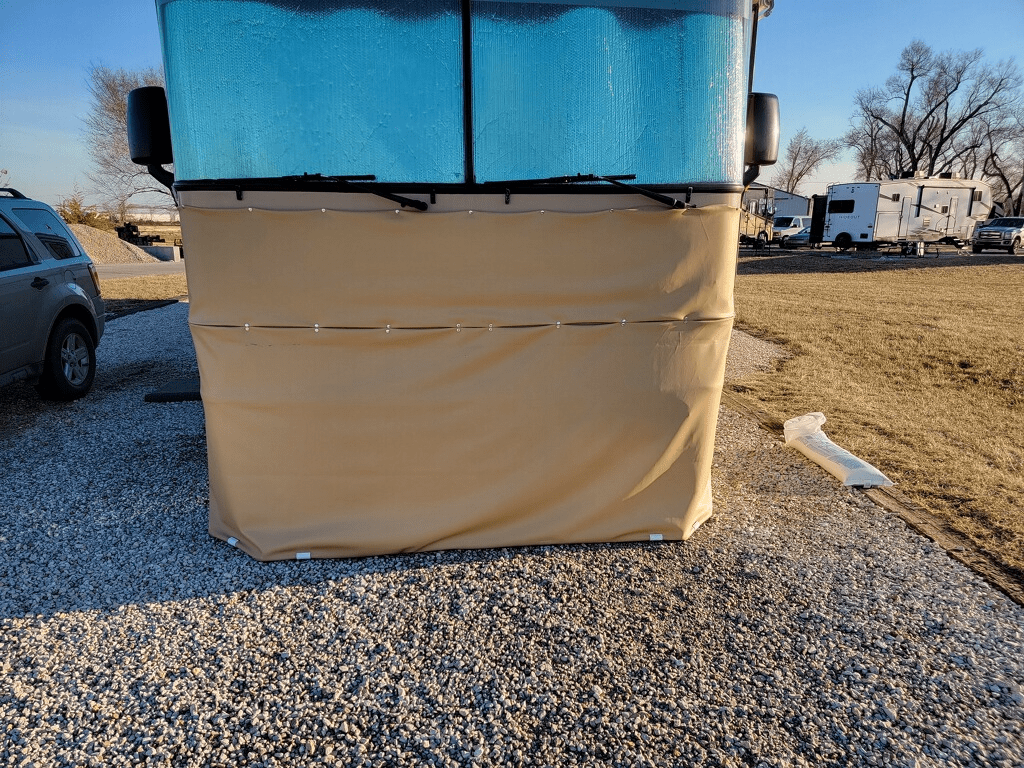
RV skirting seals the gap between your camper and the ground, trapping a pocket of warmer air underneath. That keeps your holding tanks from freezing, protects exposed plumbing, and stops icy wind from stealing the heat you're paying for.
Marine-grade vinyl is the material of choice: it stays flexible in deep cold, shrugs off UV and moisture, and won't crack or yellow like cheap poly sheeting. Pick clear vinyl to let light through, or a solid color for privacy and a finished look.
Lower heating bills
A sealed underbelly can cut cold-weather propane and electric use significantly.
Frozen-pipe protection
Keep tanks and water lines above freezing through the worst of winter.
Built for the elements
UV-stable, mildew-resistant, and cold-crack rated fro real winters.
Compare your needs
Which finish is right for you?
| Finish | Texture | Price/Yard | Best For |
|---|---|---|---|
| Standard | Smooth, mild leather grain | $10.44–$10.96 | Most skirting jobs — widest color range |
| Modern | Linear/grain pattern | $13.59 | Cleaner, less traditional look |
| Carbon Fiber | Textured weave pattern | $15.69 | Distinct look, still 30oz performance |
| Armadillo | Embossed shell texture | $16.69 | Heavier visual texture, premium finish |
| 4-Way Stretch | Stretch fabric | $18.84 | Contoured/curved install areas |
Not sure? Take the 30-second quiz and we'll recommend a gauge.
How cold do your winters get?
Where the rig will sit through the season.
How is the skirting going to be used?
Do you want added insulation behind the vinyl?
Our recommendation
Everything you need based on your answers.
Our recommendation
Everything you need based on your answers.
Our recommendation
Everything you need based on your answers.
Our recommendation
Everything you need based on your answers.
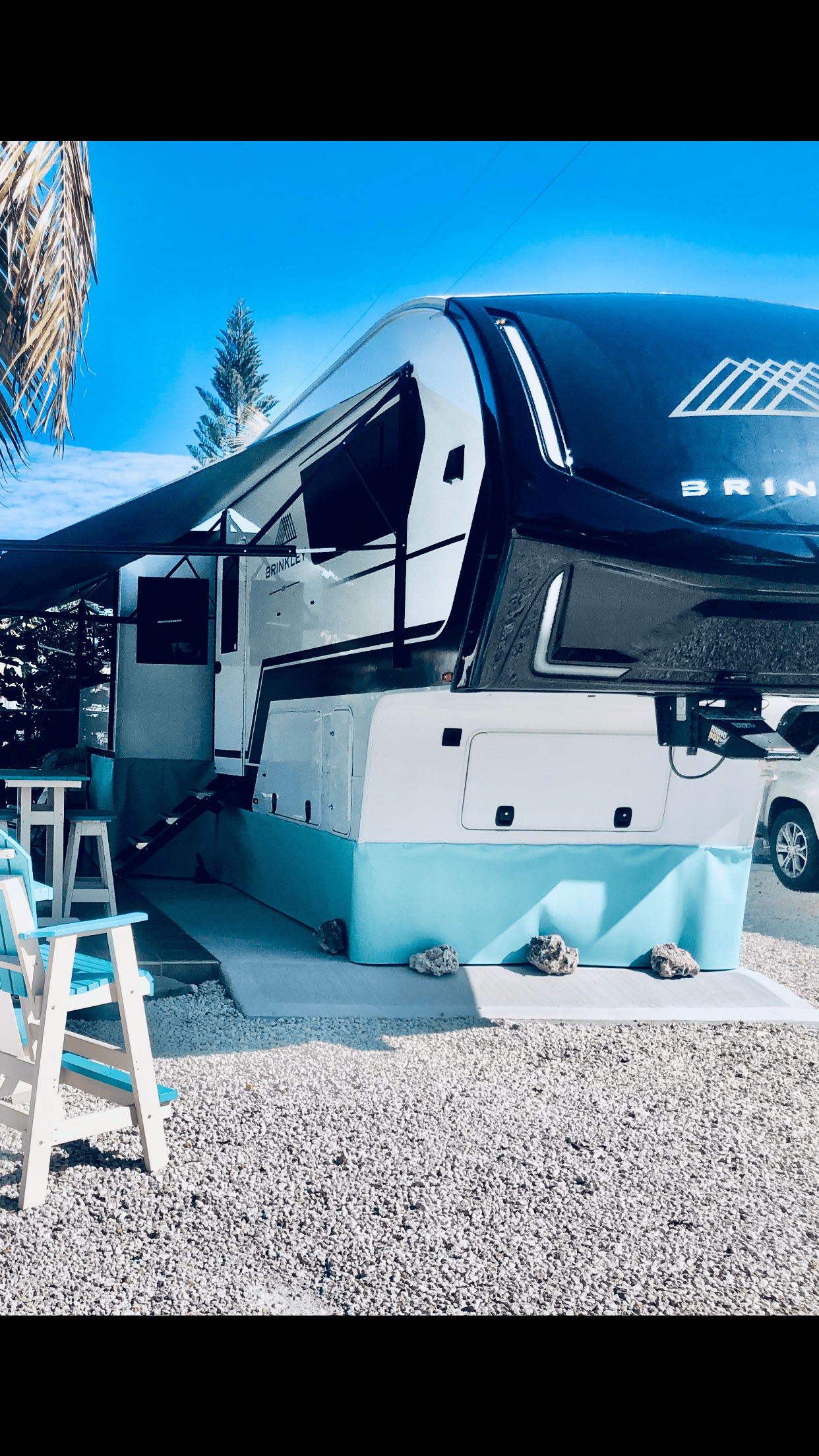
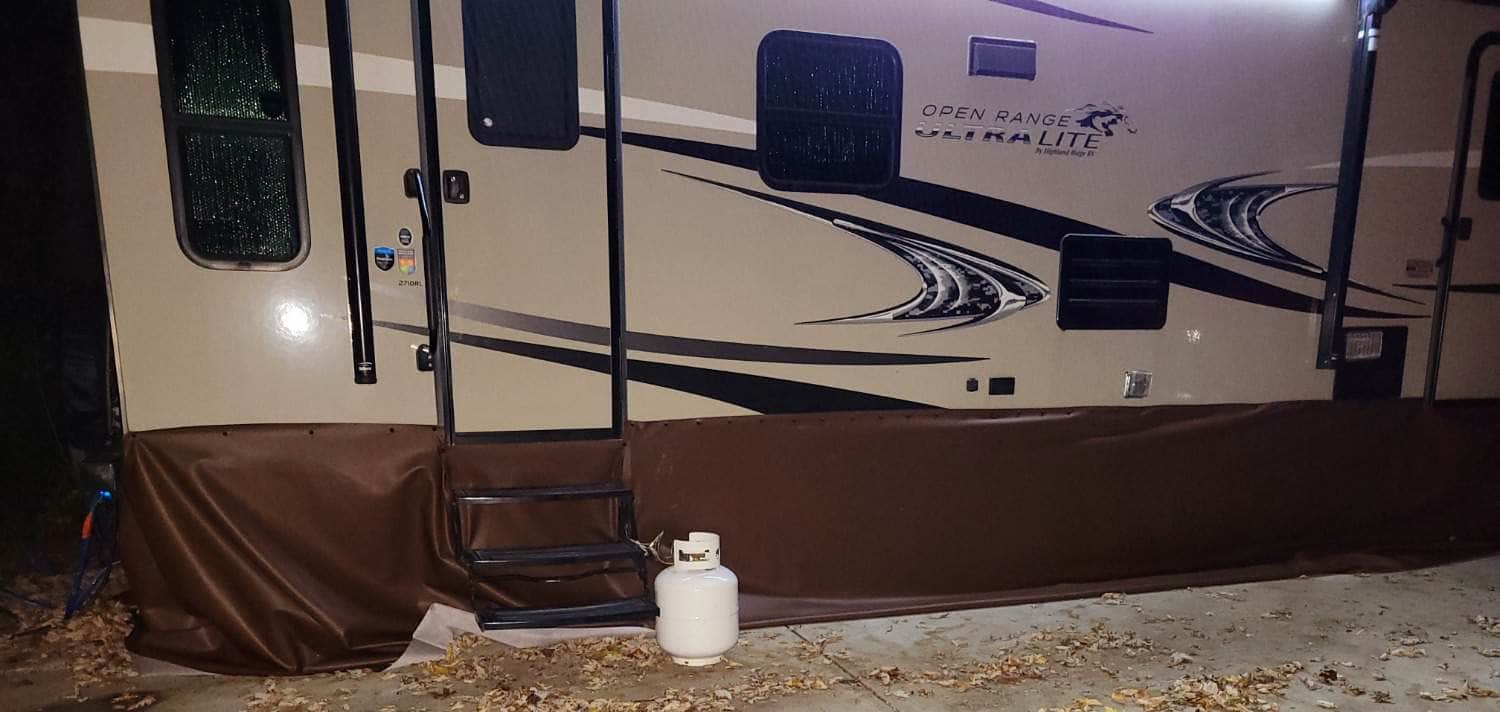
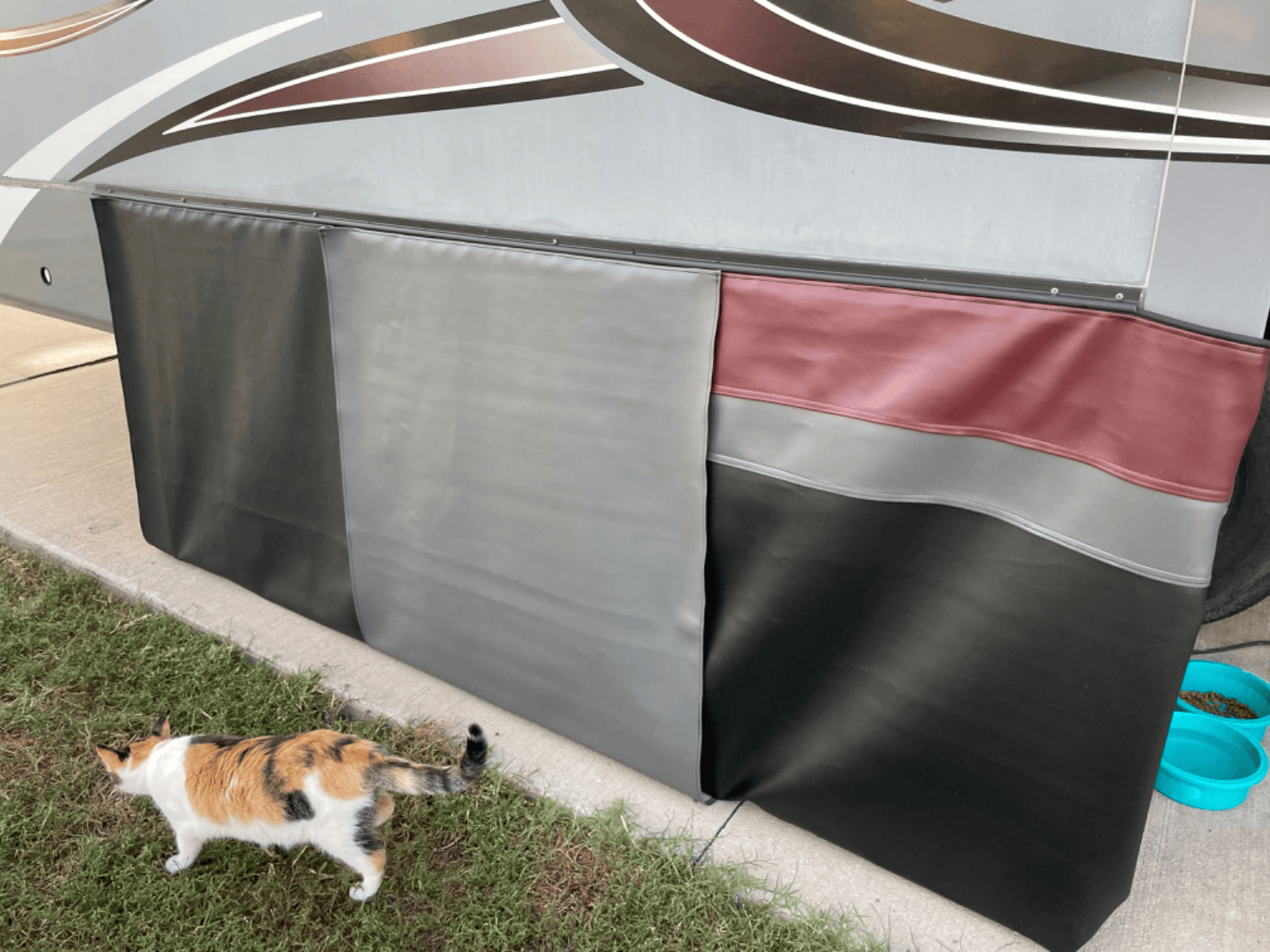
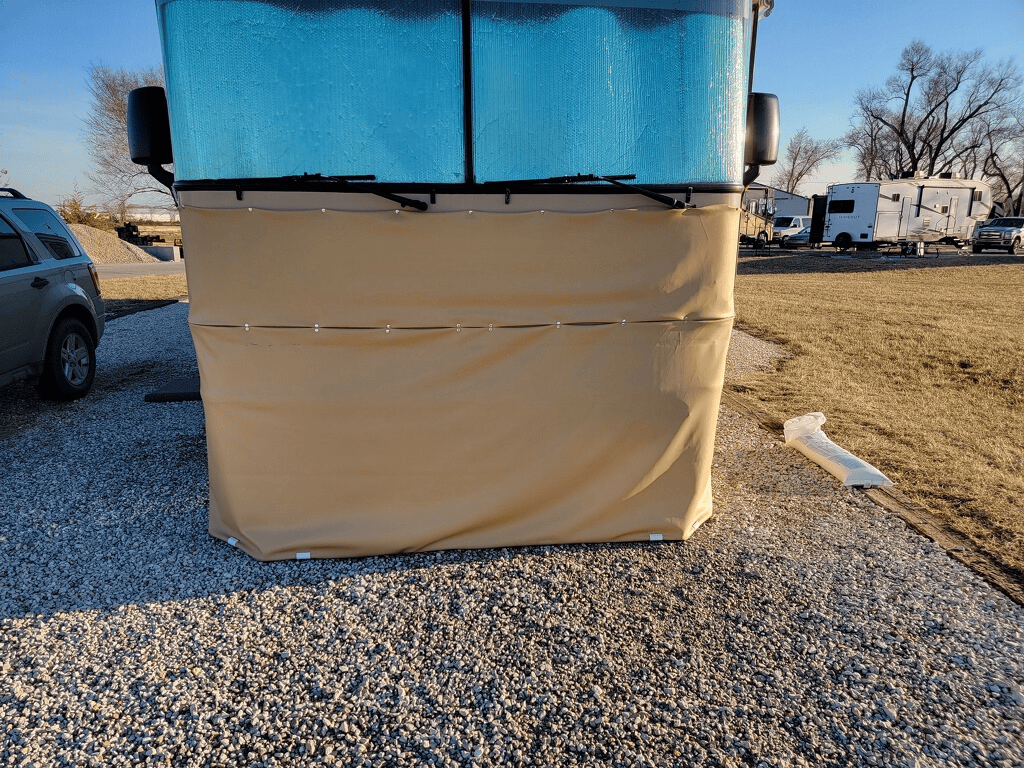
Built by real customers
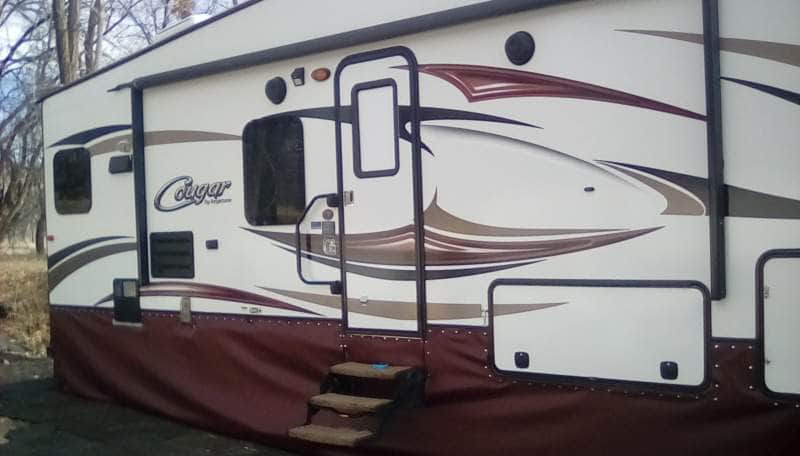
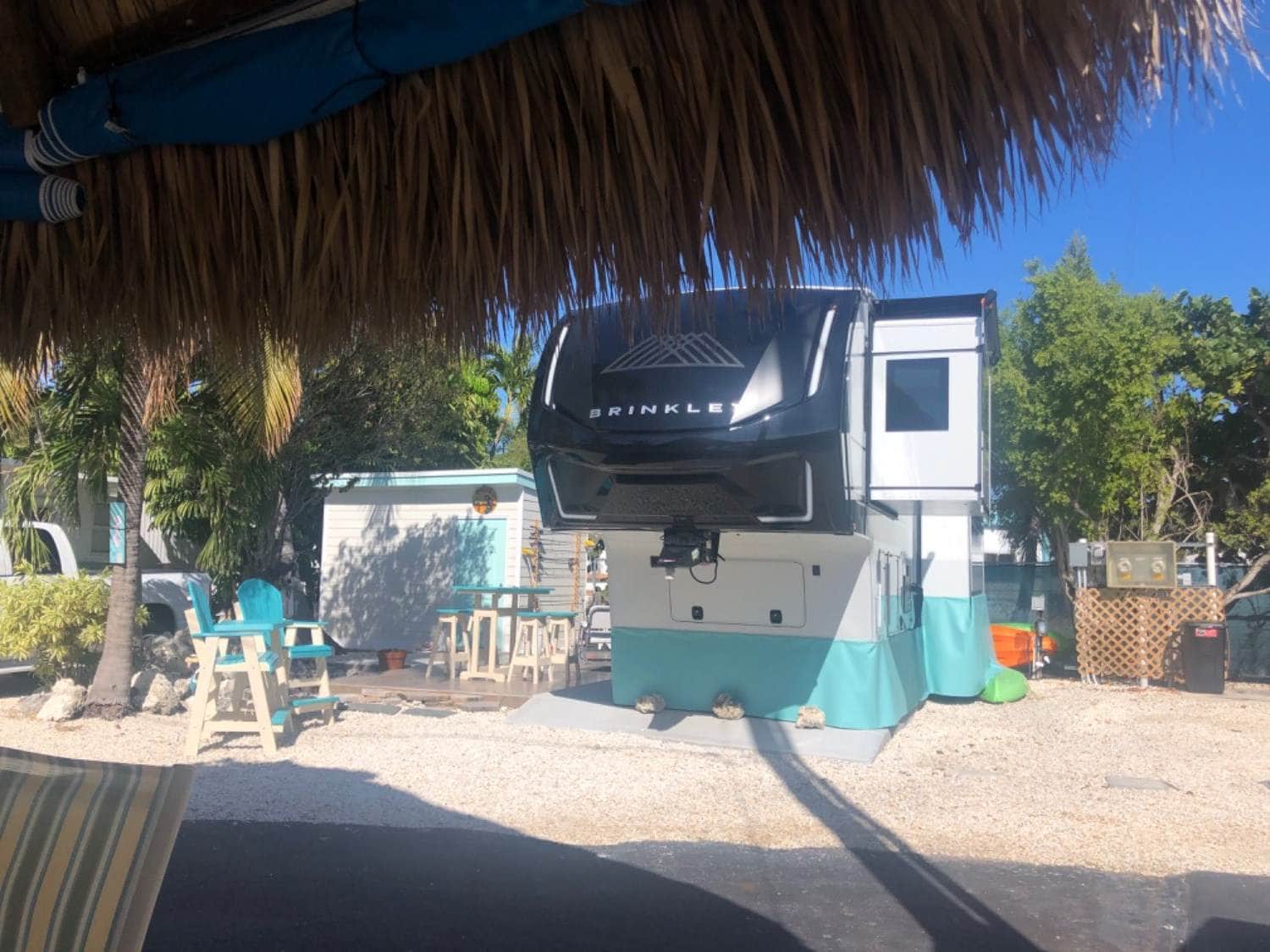
Skirting jobs done with our vinyl
Learning resources
Read up before you build
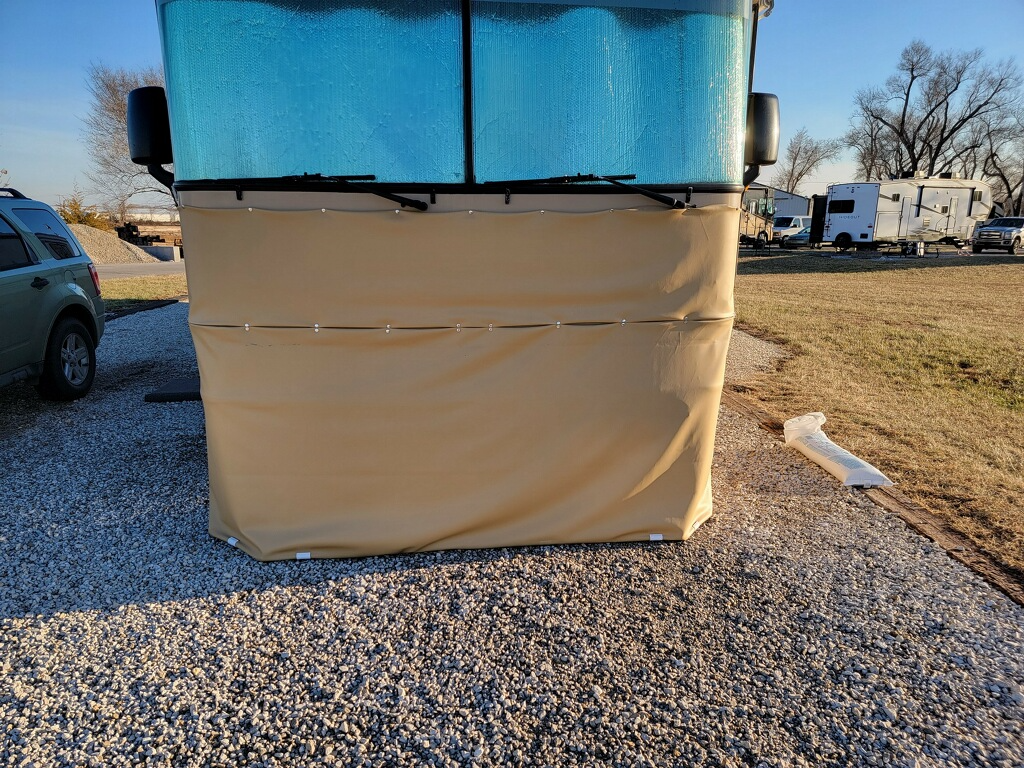
Best Fabric for RV Upholstery: What the Pros Recommend
RV upholstery needs to handle heavy use, fluctuating temperatures, and exposure to sunlight. Choosing the wrong fabric can lead to fading, cracking, or constant cleaning headaches. Here’s what the ...
Read more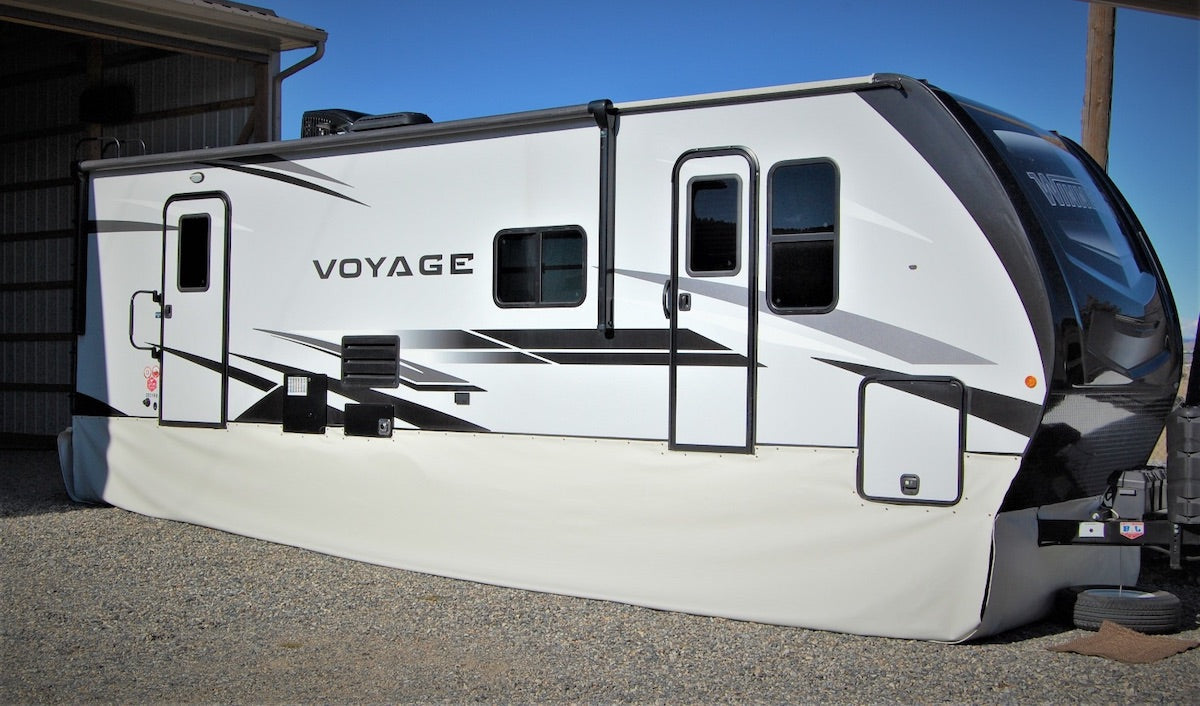
The Ultimate Guide to DIY RV Skirting for All Seasons
RV skirting is a smart, cost-effective way to protect your RV year-round. Whether you’re camping through winter or trying to keep your RV cool in the summer, the right skirting creates a more comfo...
Read more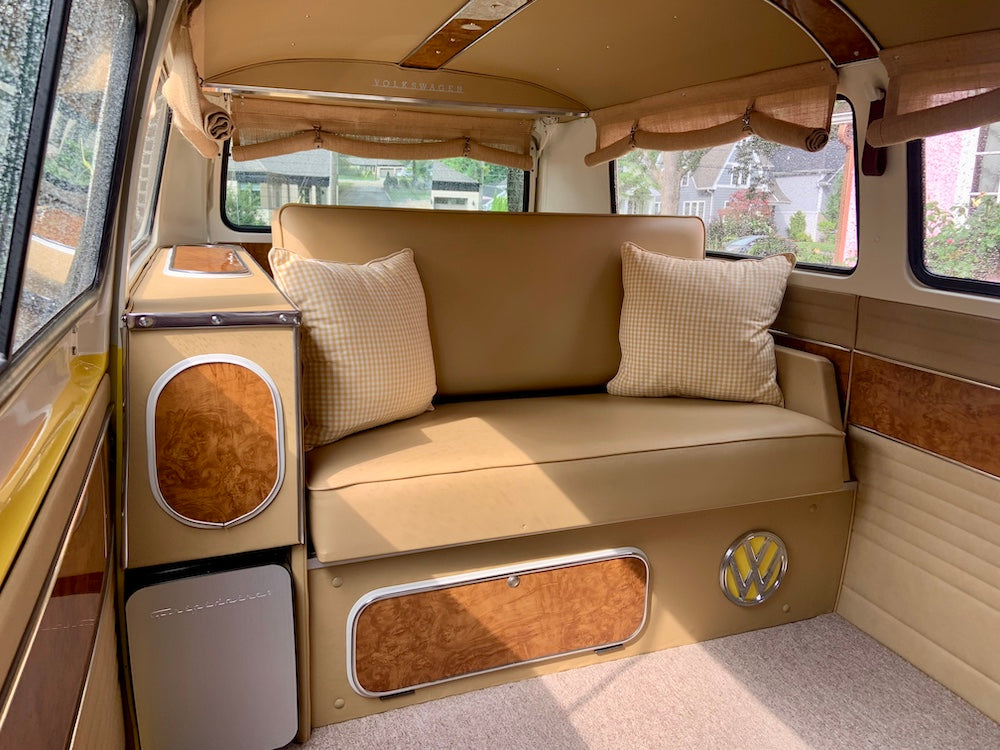
RV Renovation Ideas That Add Style and Function
Renovating your RV doesn’t have to mean a full gut job. Small, strategic upgrades can dramatically improve both style and functionality. Whether you’re updating a dated interior or preparing for a ...
Read moreFrequently Asked Questions
Heavy-duty 30oz marine-grade vinyl is the most common all-weather choice — it's durable, waterproof, UV-resistant, and holds up against snow, rain, and sun while staying flexible enough to install yourself. Plywood/foam board is more budget-friendly but less portable; canvas is lighter but needs water-resistant treatment.
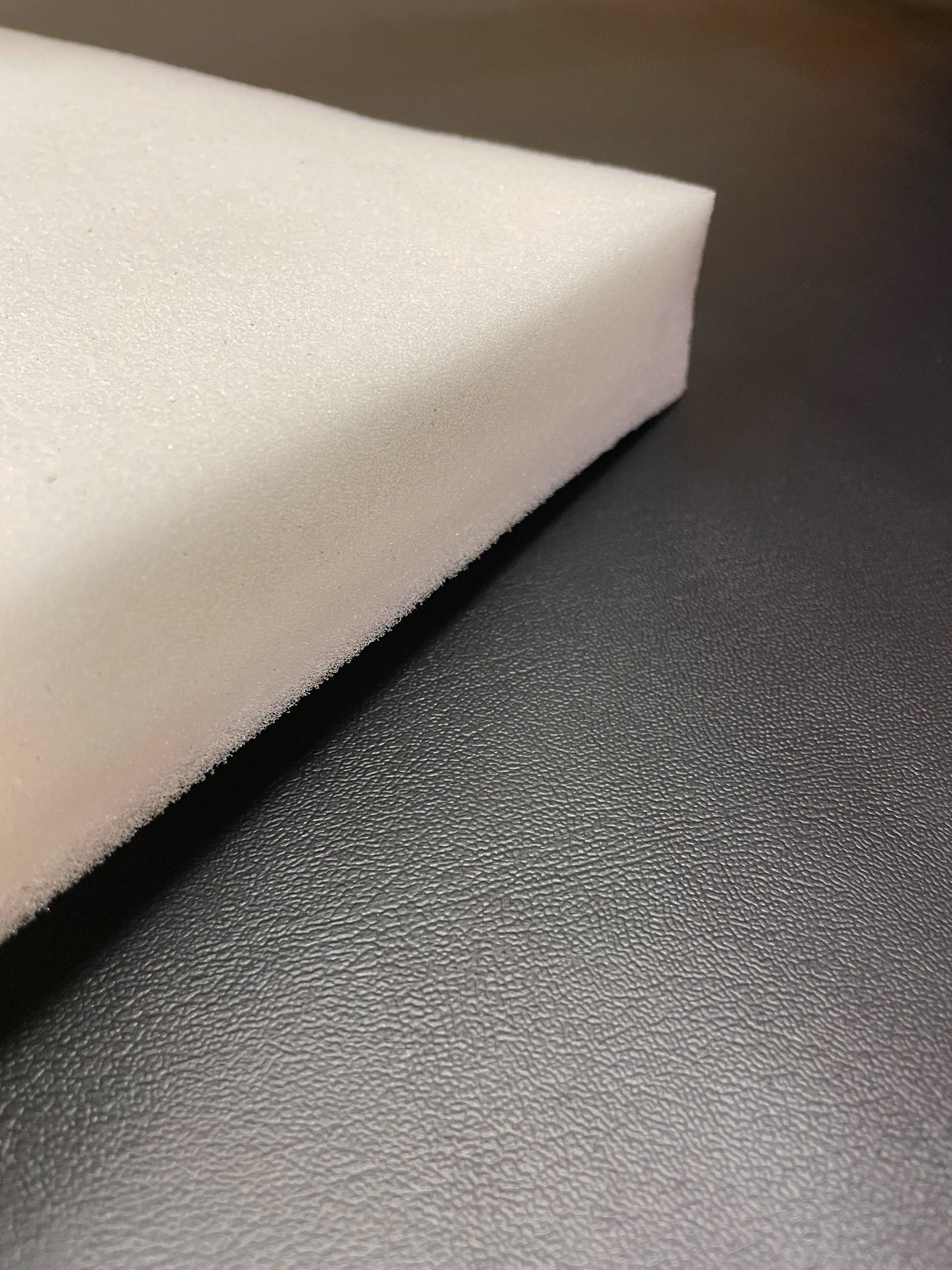
The vinyl alone works as a wind and weather barrier, reducing heat loss and keeping pests and debris out. If you're in a cold climate or living in the rig full-time through winter, adding foam board or insulation panels behind the vinyl improves heat retention further.
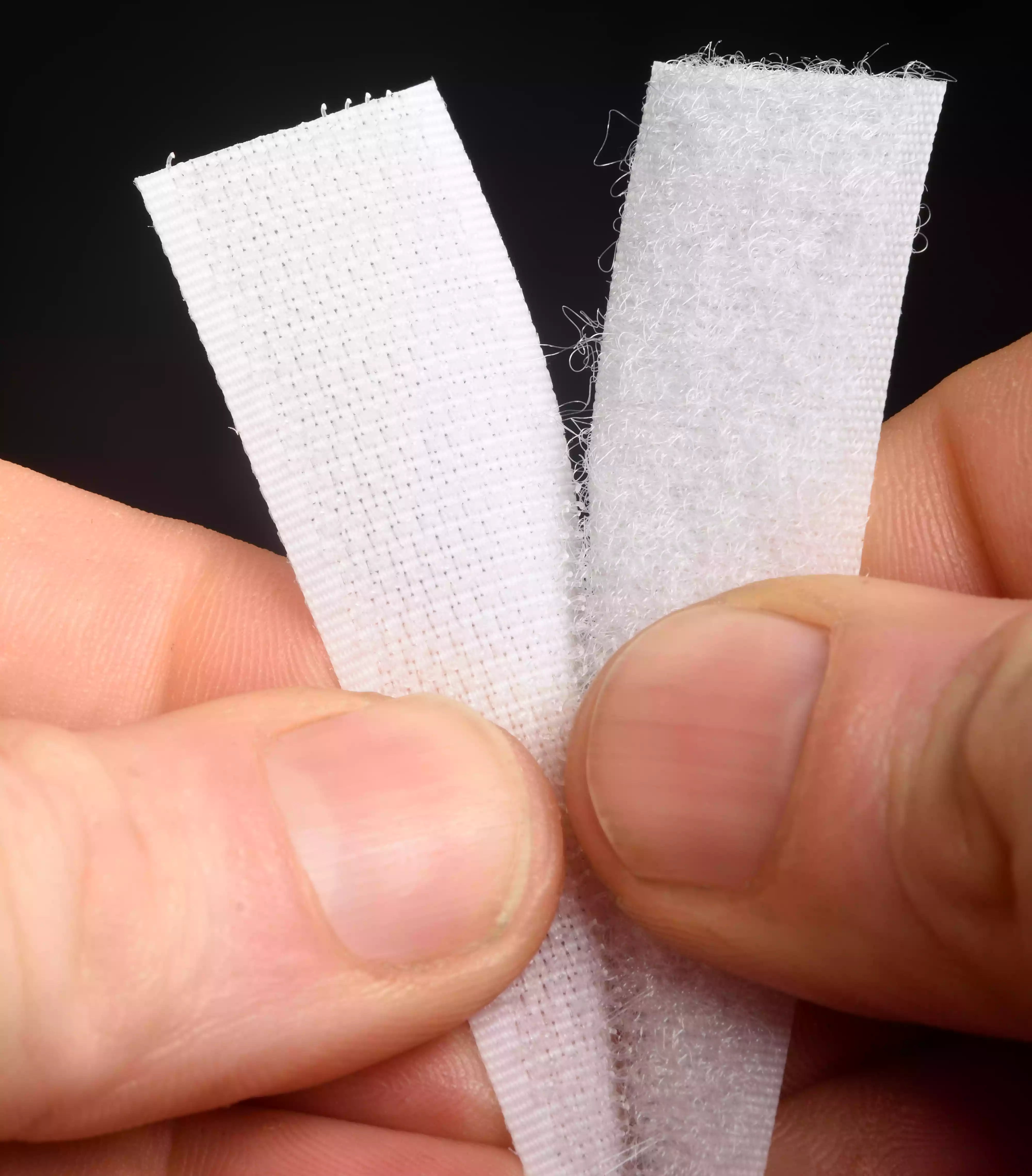
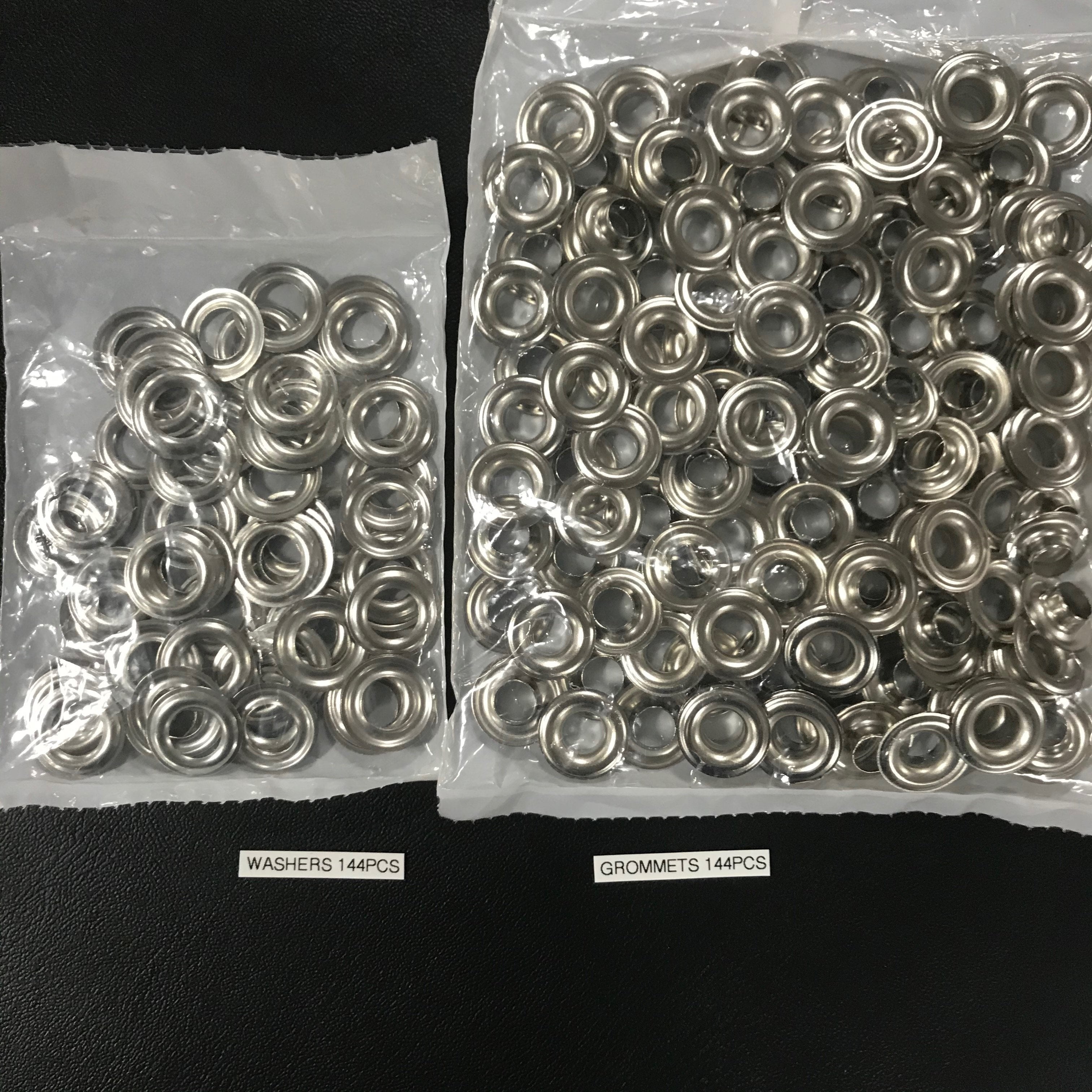
Snaps, turn buttons, or hook-and-loop Velcro are the most common fasteners — Velcro is easiest if you want to take the skirting down seasonally, while snaps/grommets give a tighter, more permanent seal.
Yes — in summer it blocks hot air and direct sun from the undercarriage, which takes some of the load off your AC system, in addition to its winter role of blocking cold air and reducing frozen pipes.
Measure from the ground to the bottom edge of your RV at multiple points around the rig, since the ground usually isn't perfectly level — you'll need those variations to cut panels that seal properly all the way around.
Rinse with water and mild soap every few weeks to remove dirt. Before storing for the season, make sure the material is completely dry before rolling it up to avoid mold or mildew.
Yes — sealing the undercarriage is one of the main secondary benefits, since open undercarriages are a common entry point for dust, debris, and small animals.

