


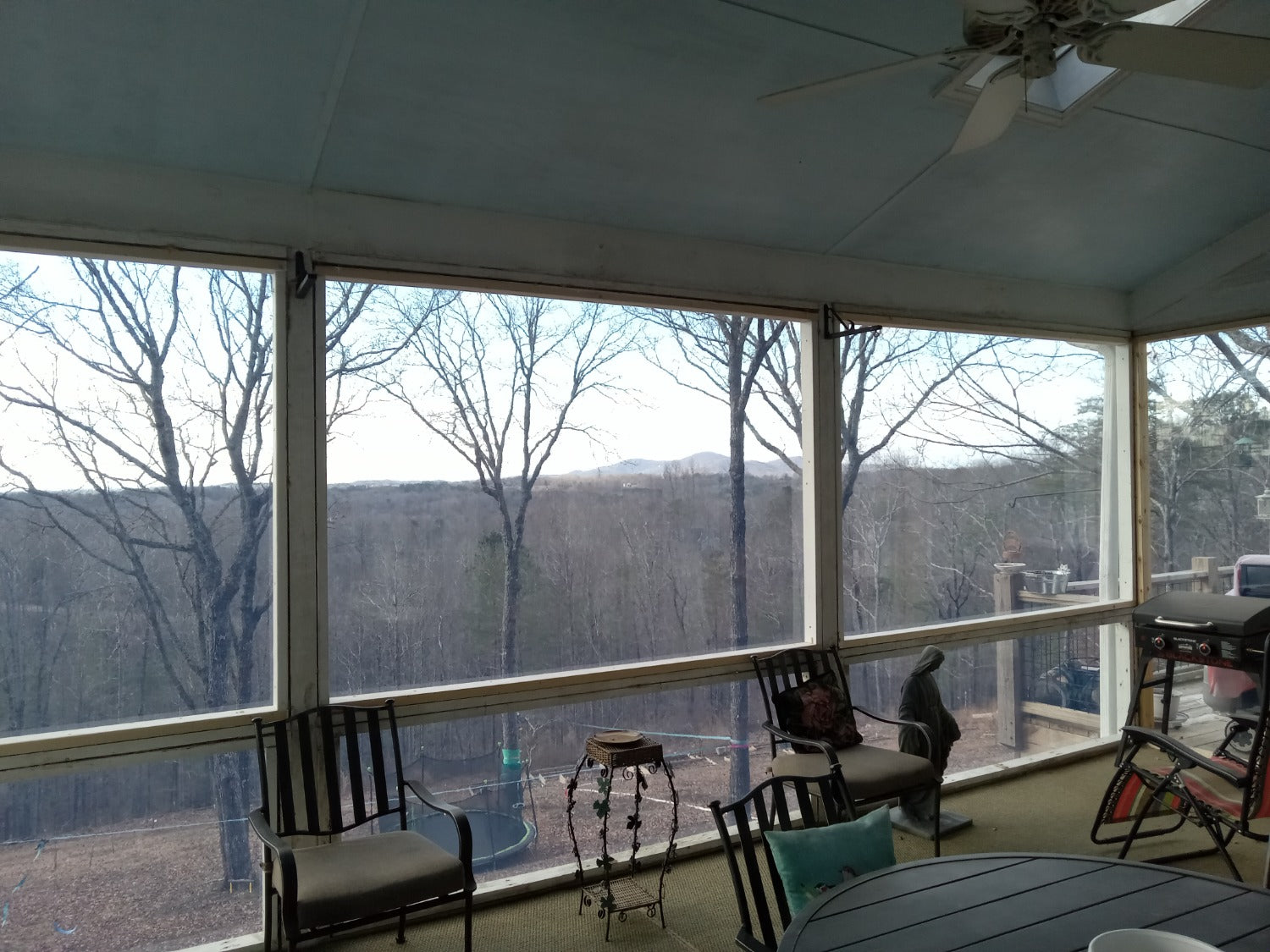
How to Convert Your Patio to a Sunroom Without a Major Renovation

A sunroom is one of the most desirable home upgrades—bright, relaxing, and usable almost all year long. But for most homeowners, the idea of turning an open patio into a fully enclosed sunroom feels unrealistic. Traditional sunroom construction often requires permits, contractors, structural changes, and thousands in custom glass installation.
The good news? You can achieve the same cozy, light-filled feel without a full remodel. By using clear vinyl panels, lightweight framing, and modular enclosure systems, your existing patio can be transformed into a sunroom-style living space—quickly, affordably, and with very minimal construction. Whether you want a three-season room or a fully enclosed retreat that feels like part of the home, a DIY vinyl-based setup offers the flexibility and comfort you need.
Below, we'll walk you through the benefits, materials, step-by-step instructions, and budget breakdown to help you create a beautiful, functional sunroom without the hassle of a major renovation.
Why Create a Sunroom?
Many homeowners want a sunroom because it adds usable space and increases comfort—but there are other major benefits as well.
Year-Round Living Space
A sunroom expands your home's square footage without traditional construction. Whether for morning coffee, reading, home workouts, or family gatherings, an enclosed patio can become one of the most enjoyed spaces in your home.
Increased Home Value
Adding a seasonal or semi-permanent living area adds appeal to future buyers. Even if the enclosure isn't a fully conditioned room, it enhances the functionality of your outdoor space.
Natural Light Without the Elements
Enjoy sunlight, fresh air, and outdoor views while staying protected from wind, rain, pollen, bugs, and chilly winter drafts. Clear vinyl offers a glass-like appearance without the cost or permanence. Learn more about using clear vinyl for enhanced visibility.
Materials That Make a DIY Sunroom Possible
The key to converting your patio without contractors or glass walls is using modular materials—especially clear vinyl.
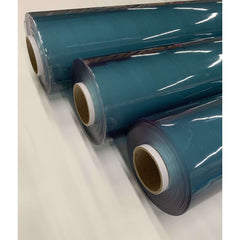
Clear Vinyl Panels
These are the heart of the transformation. Marine-grade vinyl gives you:
- Crystal-clear visibility
- Weatherproof wind and rain protection
- UV resistance to prevent yellowing
- Flexibility for easy roll-up storage
Use 20–30 gauge vinyl for a balance of durability and maneuverability. Not sure which thickness is right for your project? Check out our guide on choosing the right vinyl gauge for porch windows and greenhouses.
Pro tip: Order free clear vinyl samples to compare gauges and feel the quality before committing to your full order.
Aluminum or Wood Framing
Most patios already have posts from a pergola, awning, or covered structure. You can attach vinyl directly to these posts using snaps, grommets, or track systems. If your patio lacks structure, lightweight aluminum framing or simple wood boards can create the framework you need—no major construction required.
Zippered Vinyl Doors
A zippered vinyl door creates a simple, affordable entry point without reframing the patio. Zippers make it easy to go in and out while keeping the enclosure sealed during colder months.
Outdoor Rugs, Lighting & Portable Heaters
These finishing touches give your new space real "sunroom" comfort. Rugs warm up concrete floors, heaters keep the space usable in colder weather, and soft lighting or plants make it feel like a cozy extension of your home.
DIY Conversion Steps
Transforming your patio into a sunroom takes some planning, but the process is straightforward—even for beginner DIYers.
Step 1: Assess Your Patio
Covered patios are the easiest to convert since the roof already provides structure for attaching vinyl panels. If your patio has:
- A roof
- Posts or beams
- Defined "wall" spaces
…you're in great shape.
For uncovered patios, you can still build a sunroom feel with freestanding framing or pergola kits, but you'll need more preparation.
Step 2: Plan Panel Placement
Measure every section between posts or beams. Patio framing isn't always perfectly symmetrical, so take separate measurements for each opening. Record:
- Height
- Width
- Any irregularities or slopes
Decide where you want doors or roll-up window sections before you cut your vinyl.
Step 3: Install Clear Vinyl Walls
This is the transformation moment—adding clear vinyl walls creates the look and feel of a glass sunroom instantly.
Installation methods include:
- Snaps (easy to remove seasonally)
- Grommets and hooks (strong and simple)
- Track systems (clean, sliding-panel look)
- Velcro strips (great for small or temporary sections)
Reinforce your vinyl edges with binding tape or marine-grade fabric for a polished finish.
For windier areas, use stainless steel hardware and closer fastener spacing (every 6–8 inches).
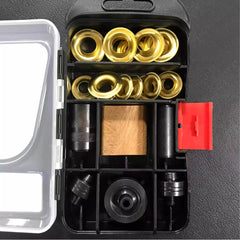
Need installation supplies? Our clear vinyl installation kit includes grommets, washers, and tools to get you started. You can also find detailed instructions in our DIY clear vinyl panels guide.
Step 4: Add Entryways
Pre-made zippered vinyl doors are affordable and blend seamlessly with the panels. They:
- Allow easy access
- Keep drafts out
- Avoid the need to frame in a solid door
- Can be rolled up on warm days
Install one or more depending on how you plan to use the space.
Step 5: Furnish for Comfort
This is where your patio truly starts to feel like a sunroom.
Consider adding:
- Cozy outdoor couches
- Indoor-safe plants
- A small dining table
- Ambient LED lighting
- Outdoor curtains for softness and privacy
Choose weather-resistant materials if your space will still be exposed to humidity or temperature swings.
Tips for a Successful Conversion
A few expert tips will make your DIY sunroom more durable, comfortable, and easy to maintain.
Use Marine-Grade Materials
Marine vinyl, stainless hardware, and UV-stabilized edging ensure your enclosure withstands winter weather, heat, and sun exposure. Want to understand why? Read about why boat owners choose marine-grade clear vinyl.
Add Roll-Up Sections for Warm Weather
Even a single roll-up area makes the space more versatile and keeps your patio breezy during warmer months.
Insulate the Floors
Concrete patios can get cold. Use:
- Foam floor mats
- Outdoor rugs
- Carpet tiles with underlayment
These help maintain warmth and comfort.
Use Portable Heat Instead of Permanent HVAC
A portable heater avoids permits and gives you flexibility. Just choose models designed for enclosed outdoor spaces and follow safety guidelines.
Maintenance & Care
Keep your new sunroom looking crystal clear with proper maintenance:
- Clean vinyl regularly using mild soap and water
- Check out our guides on how to clean clear vinyl and how to clean vinyl windows
- Use our clear vinyl cleaner kit for professional results
- Got wrinkles after storage? Learn how to remove wrinkles from vinyl
Budget Breakdown
One of the biggest advantages of a DIY conversion is the price. Compared to a traditional sunroom that can cost $15,000–$40,000 or more, your clear-vinyl retrofit is incredibly affordable.
Here's a realistic budget estimate:
- Clear vinyl panels: $300–$800 (depends on gauge and patio size)
- Fasteners, snaps, or track hardware: $100–$200
- Zippered vinyl door: $75–$150
- Optional extras (rugs, heaters, curtains): $200–$500
Most homeowners complete the entire conversion for under $1,500, making it one of the most cost-effective ways to add usable space to your home.
Explore More Uses for Clear Vinyl
Once you see how versatile clear vinyl is, you might find other creative applications around your home:
- Top 12 ways to use clear vinyl in everyday projects
- The ultimate guide to enclosing your porch with clear vinyl
- Clear vinyl fabric DIY ultimate guide
Key Takeaway
You don't need contractors, glass walls, or a full remodel to enjoy a sunroom. With marine-grade clear vinyl, modular hardware, and a few DIY upgrades, you can convert your patio into a bright, weatherproof retreat in just a few weekends. It's affordable, customizable, and completely reversible—yet gives you the sunroom feel you've always wanted.
Ready to start your project? Browse our selection of clear vinyl rolls and sheets available in 8, 10, 16, 20, 30, 40, 60, and 80 gauge options, or grab free samples to test the material first.




Leave a comment
This site is protected by hCaptcha and the hCaptcha Privacy Policy and Terms of Service apply.